
Ben's story
IF I CAN, YOU CAN
How running became part of my life
When Ben was first diagnosed with epilepsy at 20, he tried to keep it hidden — from his parents, friends, even himself. However, having read about a young boy being bullied at school because of his epilepsy, he realised how important it is to speak up.
Last year he ran five different races, including two half marathons to raise funds for Epilepsy Society and he's now set himself more challenges for 2026.
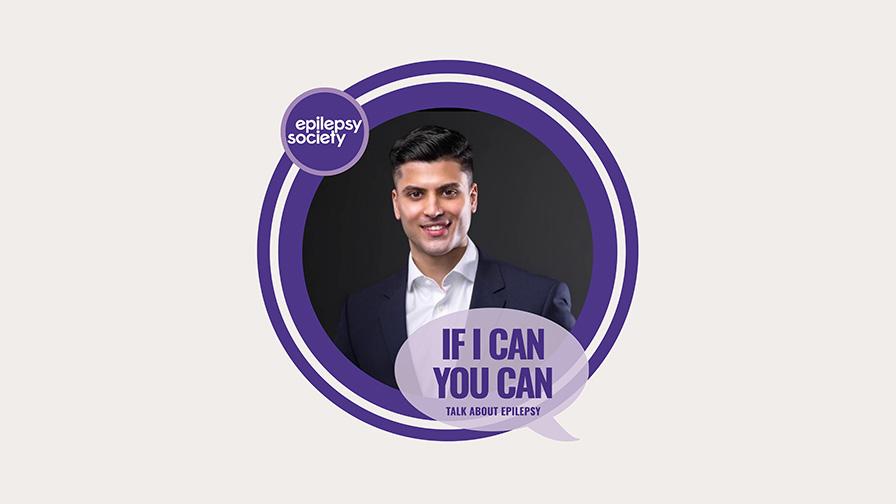
In his own words Ben describes what motived him to be open about his epilepsy and encourage others to talk as well as fundraise for us. He said:
“It made me realise how important it is to speak up — not just for myself, but for anyone who's ever felt silenced, different, or ashamed because of this condition. Another thing that’s hard to talk about is memory loss. It’s a quiet fear I carry — that one day I might wake up and forget the people I love. That kind of uncertainty is tough to live with. It’s part of why I’ve chosen to run six races this year. I want to raise awareness, spark conversation, and show others that epilepsy doesn’t have to be hidden in the shadows. I want to be part of real change — so that no one has to go through epilepsy feeling isolated or unseen.”
Recalling how he first felt when diagnosed, Ben said: “I didn’t want anyone to worry, and I wasn’t ready to face what it might mean. At the time, I convinced myself it was just stress — I was pushing hard to get strong university results and secure a placement (which I did in the end). I thought maybe I was just burning out.
Even when I was taken to hospital, I tried to cover things up. I hid the medical documents from my parents, hoping they wouldn’t ask questions. But when they eventually found them, I had no choice but to come clean. That moment was hard — not because I was afraid of the diagnosis, but because I didn’t want the people I love to see me as fragile or broken.”
The emotional impact of epilepsy
We asked Ben what surprised him following his epilepsy diagnosis and how it affects him emotionally. He said that this is an area that is sometimes not discussed when people are first diagnosed, nor the side effects of anti-seizure medication which he feels it is important to discuss.
Ben said: “Living with epilepsy has challenged me in ways I never expected — not just physically, but emotionally. While the seizures themselves are difficult, the hardest part isn’t what happens to me — it’s how it affects the people I care about. Waking up after a seizure and seeing the fear or concern on a loved one’s face stays with you. It’s a heavy feeling. I never want to be a source of worry, and even though my friends and family reassure me that I’m not a burden, deep down… sometimes it still feels that way. There’s also a deep sense of embarrassment, especially when a seizure happens in public. The stares, the confusion — it can make you feel exposed and alone, even when you’re surrounded by people. Another thing that’s hard to talk about is memory loss. That kind of uncertainty is tough to live with.”
Managing your medication
Fortunately, Ben doesn’t face shortages of his medication, but it has been an issue in the past and he describes it as being: “… frustrating to feel like your condition is not being taken seriously — something that seems so routine for others is often a challenge for those of us living with epilepsy. This experience has inspired me to raise awareness, not only to help make the process easier for others but to ensure that everyone’s epilepsy journey is met with the respect and urgency it deserves.”
Ben feels it is important for people to be aware of the side effects of anti-seizure medication. They can be unpredictable and isolating. He experienced some sudden, unexplained rashes. He says they were “a constant reminder of how epilepsy affects my mind and body. It's a part of the journey that can feel isolating, and yet so many people living with epilepsy go through this without knowing they're not alone. “
Surgical intervention
Ben has had an implantable loop recorder (ILR) implanted in his chest. While the procedure itself was quite straightforward, Ben describes living with the device as being something he has had to get used to. He said: “There’s a strange sense of vulnerability — knowing a piece of metal is sitting just beneath your skin. Sometimes there’s pain, and other times it’s just the unsettling thought that it might be affecting me in ways I can’t quite name. It’s a quiet weight I carry, both physically and mentally. Living with this implant is not something I talk about often, but I believe it’s essential to share these challenges. Epilepsy is not just about seizures; it's about living with the unexpected every day, and the more we talk about it, the easier it becomes for others to understand.
If I Can, You Can: how running is now part of Ben's life
We caught up with Ben as part of the IF I CAN, YOU CAN campaign and he said; "Running has become a big part of how I try to show that epilepsy doesn’t have to stop you from doing things that might seem impossible at first. The challenges last year were amazing but they definitely required discipline. During training I’m always careful to stay on top of my medication, make sure I refuel properly after workouts, hydrate well during runs, and give my body enough rest so I don’t overdo it.
This year I’ve got some exciting challenges planned. I’ll be running the Thames Meander, Richmond and Brighton Marathons, as well as the Hackney Half and Royal Parks Half. I’m also training for the Wales Ironman, which I hope will make me the first British Indian with epilepsy to complete the race."
Good luck Ben!
Support Ben
This year Ben is running two marathons and completing his first full Iron Man challenge. He is pushing himself to his limits to make a difference.
You can donate to his Just Giving Page: Ben Chouhan is fundraising for Epilepsy Society